
Research
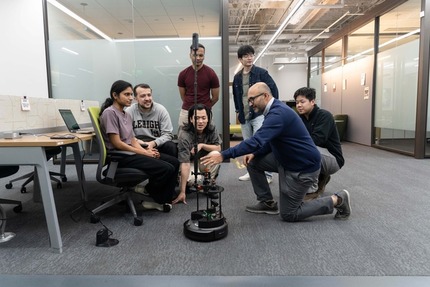
Through our work on institutionalizing research support structures, creating opportunities for industry connections, and scaling our University Research Centers (URCs) in Year Three, Lehigh has continued to create an environment where pragmatic research can translate directly into real-world impact.
Highlights include:
- Operationalized University Research Centers (URCs): Established administrative processes, staffing, and budget frameworks to ensure the long-term growth and sustainability of our URCs. Formalized joint-appointment policies, designating primary appointments within academic departments and secondary appointments within University Research Centers.
- Expanded Industry Engagement & Corporate Partnerships: Increased research contracts and sponsored expenditures, and launched a dedicated corporate "front door" to streamline collaborations with industry partners.
- Broadened Research Metrics Framework: The Office of the Vice Provost for Research (OVPR) partnered with the Office of Institutional Data to develop expanded research metrics evaluating Research Inputs, Research Actions, and Research Outputs to capture the full scope of institutional scholarship.
- Assessed Institutional Investments: Completed Phase II of the internal grants review, analyzing smaller funding programs to maximize the return on investment for faculty seed grants.
- Targeted Research Support: Launched special calls to help fund research proposal development and support AI-integrated research through the OVPR.
- Published Guidance on Public-Facing Work (PFW): Issued Provost guidance recognizing and supporting faculty whose scholarship directly engages broader communities, reinforcing Section 2.2.1.5 of Lehigh’s Rules and Procedures of the Faculty (R&P), which establishes that faculty may demonstrate excellence, in part, through PFW.
- Advanced Research Media/Communications Strategy: Partnered with University Communications and Public Affairs (UCPA) on the development of a research media/communications strategy, included a revised webpage, intended to elevate research and discovery visibility.
Education
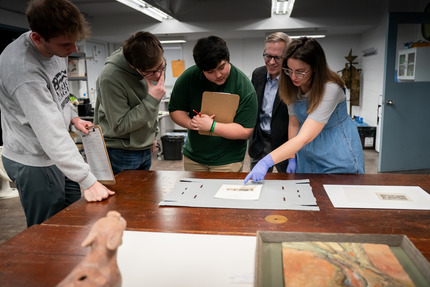
Over the past year, Lehigh continued to pioneer integrative, student-centered learning across undergraduate and graduate programs. By piloting expanded interdisciplinary pathways, advancing faculty instruction, and embedding artificial intelligence into the academic framework, we continue to cultivate agile problem-solvers equipped for a dynamic world.
Highlights include:
- Expanded Experiential & Interdisciplinary Undergraduate Pathways: Successfully completed and assessed initial cohorts for key undergraduate pilots, including the Explore Lehigh interdisciplinary semester and the First Year Rossin Engineering (FYRE) pilot.
- Enhanced Instructional Practices: In partnership with the Association of College and University Educators (ACUE), the Office of Educational Innovation and Assessment trained a cohort of faculty through ACUE’s Effective Teaching Practices (ETP) macrocredential.
- Announced and Implemented Guidance on Artificial Intelligence (AI): Advanced intentional AI adoption across the institution by launching the AI Readiness Promise, establishing the Guiding Principles for Artificial Intelligence at Lehigh, and introducing a new Graduate Certificate in AI Applications.
- Strengthened Graduate Student Career Readiness Efforts: Deepened faculty engagement in graduate student success initiatives, elevating the integration of career development into academic programming from 30% in AY 2024–25 to 50% in AY 2025–26.
- Formalized Systems for Graduate & Professional Program Expansion: Implemented a timeline and infrastructure for bringing new graduate offerings to market. Established quality assurance measures by implementing graduate program review policies and partnering with the Office of Institutional Data to launch an outcomes dashboard.
Community

In Year Three, Lehigh deepened its commitment to cultivating a culture of belonging on campus and positioned Lehigh as a driving force in building a stronger, more vibrant region. By formalizing institutional frameworks, strengthening regional partnerships, and celebrating inclusive excellence, we continue to build a welcoming, interconnected university community where all students, faculty, staff, and neighbors can thrive.
Highlights include:
- Recognized for Excellence: Earned Lehigh’s seventh consecutive Higher Education Excellence in Diversity (HEED) Award and was named a HEED Diversity Champion for the second consecutive year, honoring institutional leadership in fostering an inclusive environment.
- Established Belonging Roadmap Steering Committee: Formed a representative cross-campus committee of faculty, staff, students, and alumni in Spring 2026 to refine institutional priorities, drive shared ownership, and align belonging initiatives with Lehigh’s broader strategic goals.
- Advanced Campus Climate Metrics & Benchmarks: Conducted the Higher Education Data Sharing (HEDS) Consortium’s Diversity and Equity Campus Climate Survey in Spring 2026, establishing strategic longitudinal goals and benchmarks for Lehigh’s Sense of Belonging index compared to peer private universities.
- Piloted Wellness Events & Initiatives: Partnered with Human Resources and Zoellner Arts Center to pilot Well-Being Concerts, through which employees can earn points as part of Lehigh’s Be Well program. In partnership with Zoellner Arts Center, piloted the Lullaby Project, which empowers expectant and new parents, caregivers, and families to compose personalized lullabies for their infants, offering a deeply therapeutic and creative outlet during the early stages of parenthood.
- Strengthened Regional Leadership & Community Trust: Released and widely circulated a Community and Economic Impact Report and strengthened Lehigh’s leadership in the Lehigh Valley through university leaders serving on regional boards to deepen local trust. Continued to see increased scores in trust and likelihood to recommend through the local sentiment survey results.
- Deepened South Bethlehem Partnerships: Actively contributed to the development of the Southside Arts District’s 10-Year Strategic Plan and transitioned Lehigh's Gold Plus system to the widely used and accepted platform, Grub Hub, designed to meet student expectations while supporting local Southside businesses.
- Expanded Local Recruitment & Engagement: Increased first-year undergraduate applications from Lehigh Valley high schools by 10% and held the inaugural Southside Block Party as part of Lehigh’s community school initiative. Scaled community access initiatives across Lehigh Athletics, the Zoellner Arts Center, and the Lehigh University Art Galleries (LUAG), distributing more than 2,200 tickets to community partners.
Infrastructure
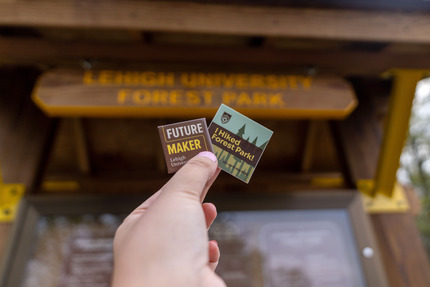
Efforts in Year Three include continued modernization of Lehigh’s physical and digital infrastructure to support a dynamic, future-ready institution. By streamlining digital touchpoints, maturing enterprise data capabilities, and maximizing campus assets, we continue to build an operational foundation that empowers our community of future makers to learn, research, and collaborate.
Highlights include:
- Streamlined Student Registration Systems: Continued progress in Year Two of the "Banner SaaS Transition: Driving Innovation for a Future-Ready Lehigh" project, modernizing enterprise system capabilities and optimizing course registration for undergraduate and graduate students.
- Advanced Student Advising & Support Systems: Launched new platforms, including Compass, Degree Works and Student Planner, transforming how students navigate their time at Lehigh, making it easier to stay on track, connect with advisors and make confident decisions about their academic career.
- Enhanced AI Integration Across Academic and Administrative Units: Through the Future Maker Grants: AI Enhancement, awardees received administrative support and tools to assist in the adoption or enhancement of the use of Generative AI in their respective areas.
- Implemented Mobile Credentials: Successfully launched the Lehigh Pass mobile credentialing project, providing students, faculty, and staff with secure, digital access to facilities and services across campus.
- Developed Architecture for a Centralized Forms Ecosystem: Completed foundational work on a unified forms ecosystem that will standardize digital administrative processes, reduce operational friction, and improve responsiveness across university departments. This project is ongoing and has progressed to working with areas on the conversion of forms.
- Launched Enterprise Analytics Platform: Introduced Lehigh Enterprise Analytics Platform (LEAP) at Data Day 2026 and established a clear, transparent process for prioritizing which data sources are added to LEAP and in what order. Integrated high-value datasets, including Handshake touchpoints, athletics, club sports, and student engagement metrics, to enable robust, data-informed decision-making.
- Strengthened Our Data Governance Program: Formalized executive sponsorship, implemented changes to standing committees, and expanded to a domain-based framework for Data Governance. Developed the Data Governance Training Hub, which offers regular training sessions for the community.
- Continued Activation of Mountaintop: Relocated Center for Catastrophe Modeling and the Research Translation Accelerator (RTA) to the Mountaintop campus to foster research collaboration and expanded access to natural campus assets by designating and promoting recreational trails across Mountaintop and Forest Park.
- Advanced Campus Residential Infrastructure: Advanced strategic planning for new undergraduate housing to support an immersive and supportive student living-learning environment.